

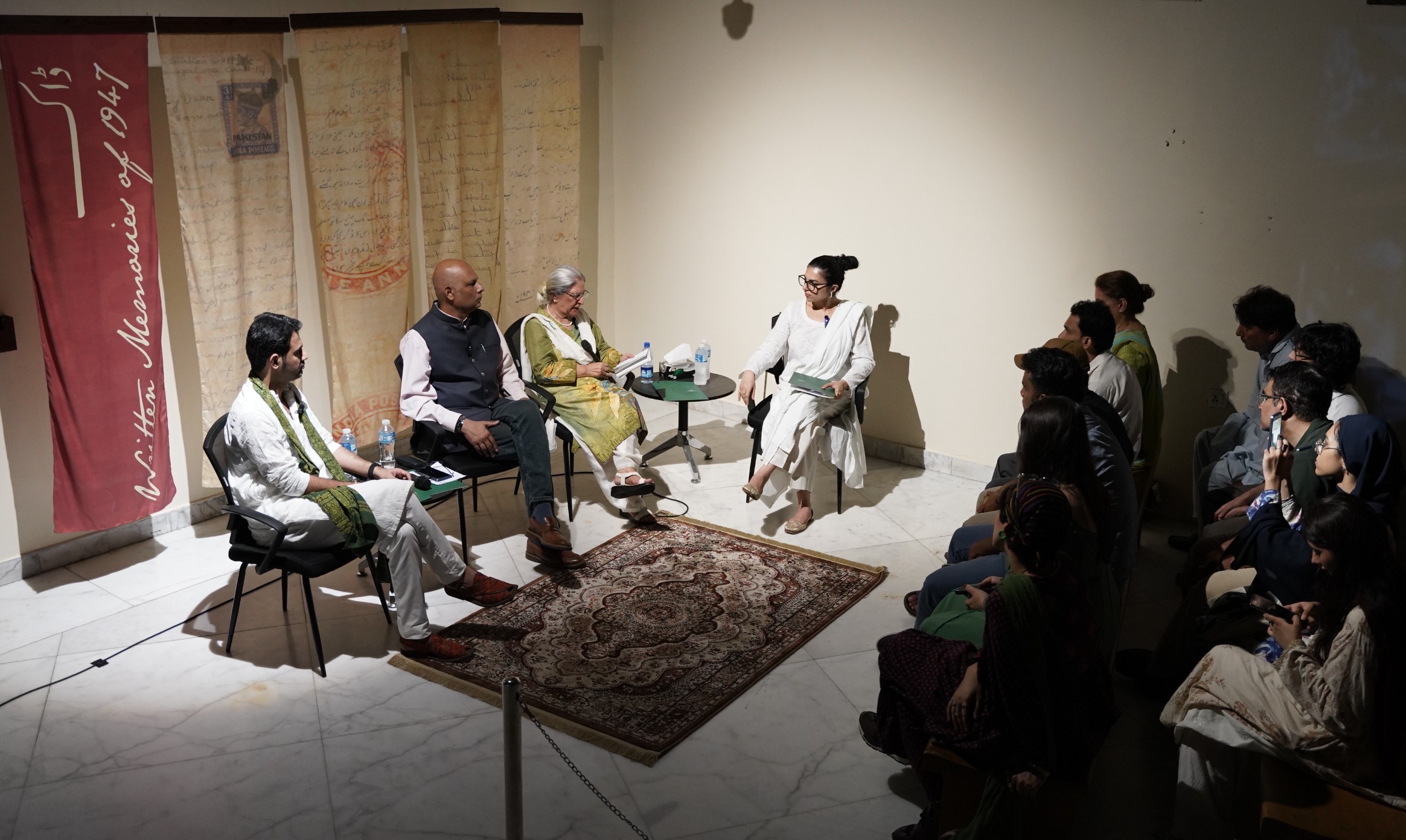
Renowned rights activist and poet Harris Khalique, award-winning filmmaker Jawad Sharif, and educator and social development practitioner Dr Shireen Zafarullah joined a multi-generational panel discussion – Making of Home: Memory, Migration, and New Beginnings – as the National History Museum in Lahore commenced its commemorative program for Pakistan’s Independence Day with a series of curated events.
The discussion was moderated by Saadia Ahmad, academician, researcher and a senior lecturer at the School of Media and Mass Communication (SMC) of the Beaconhouse National University. The discussion reflected on the experiences of the first generation, who experienced displacement firsthand and grew up in its immediate aftermath; the second generation, who established families, careers, and communities in the cities shaped by the partition; and the third generation, which continues to shape Pakistan through emerging fields, including technology, business, and culture.
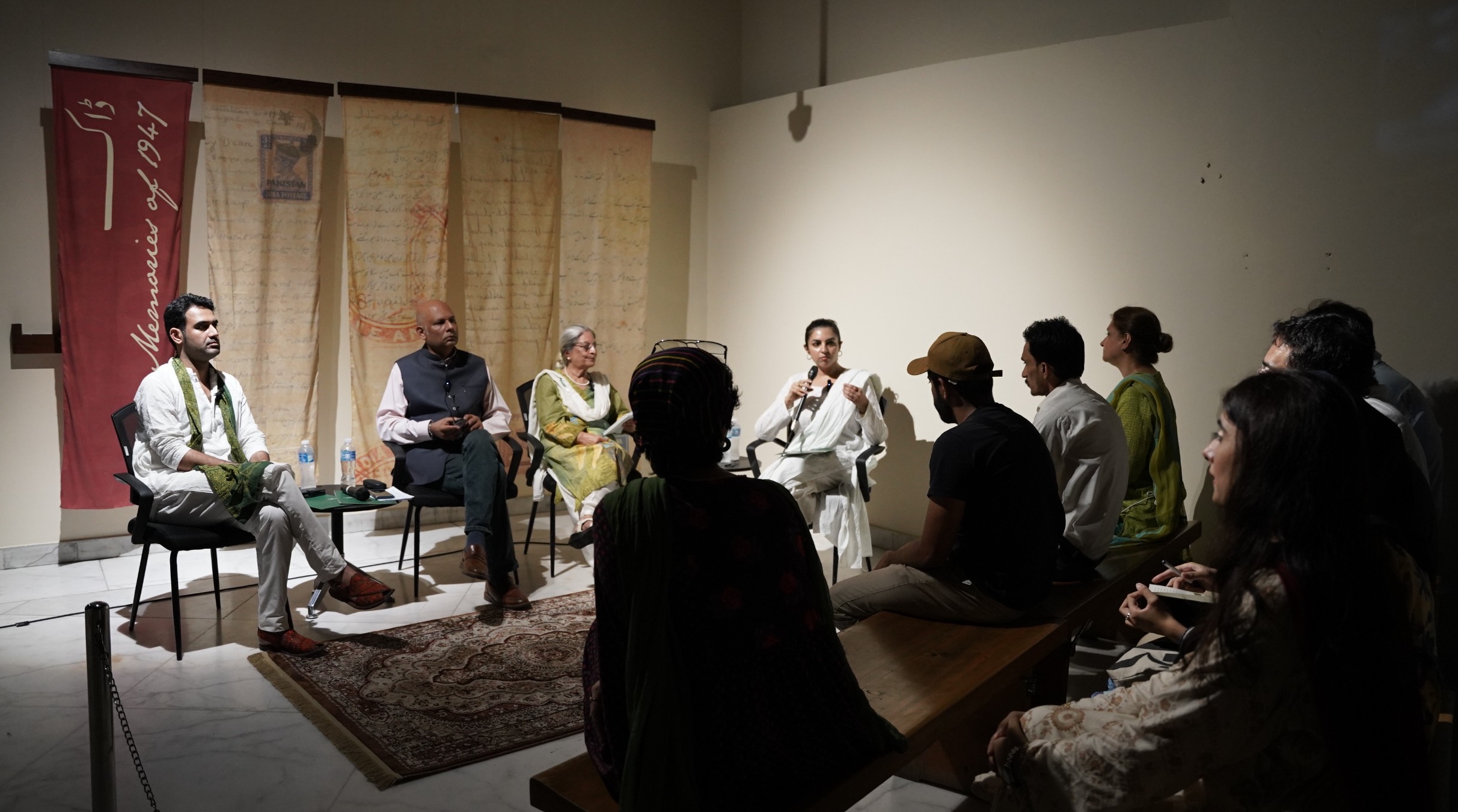
The guest speakers told the audience that the partition of 1947 split the subcontinent into Pakistan, and India, forcing an estimated 15 million people to move. During that time, families left behind ancestral homes, crossed borders on foot or crowded trains, and faced deep emotional and physical trauma. Many families were separated or lost relatives, relying on the kindness of strangers or hiding in coal boxes and trucks to stay alive. Passing down memories of a lost homeland, survivors rebuilt their lives from scratch in temporary refugee camps and unfamiliar cities and villages.
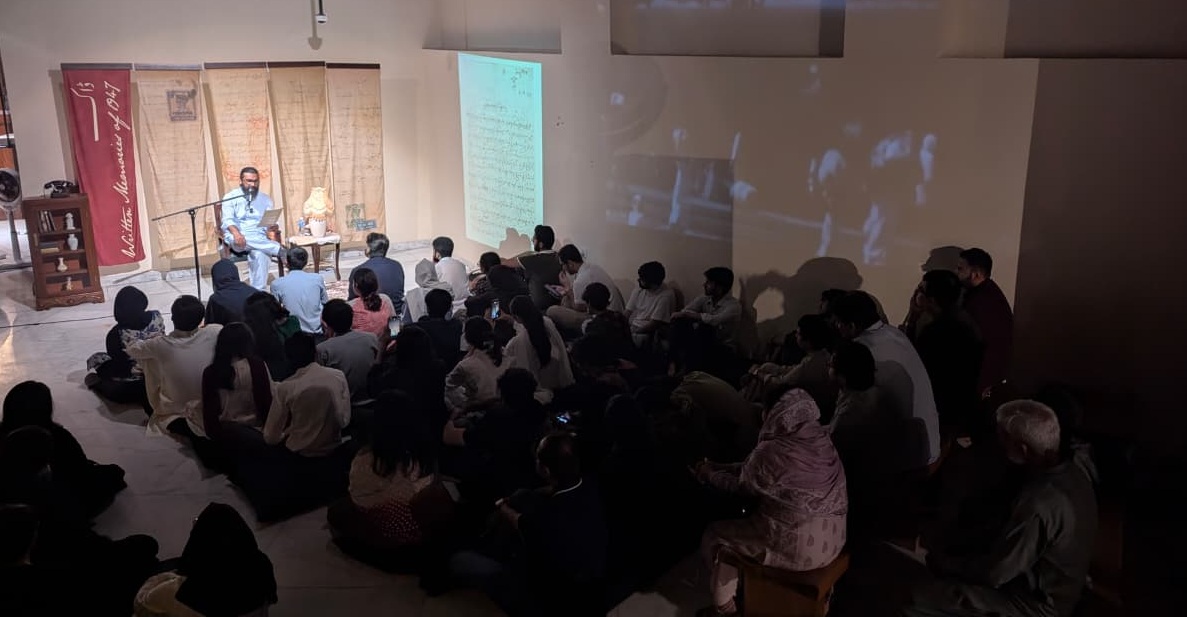
A high point of the celebrations was a dramatic reading of letters exchanged between families during and after the partition of 1947. This was an emotional performance from Adeel Afzal – the artist. The performance brought the audience personal accounts and lived experiences from 1947 through the preserved correspondence of those who witnessed the events. The reading received houseful attendance of people from various walks of life. Speaking on the occasion, museum director Awais Malik stated that the partition of 1947 and independence continue to be defining factors of the national identity. He said that preserving and sharing personal memories from these events remains a core mission of the museum.
In accordance with its mandate to preserve and document Pakistan’s national history, the National History Museum also established a Community Digitization Station, providing visitors with an opportunity to learn digital preservation of family photographs, documents, and other historical materials. The initiative seeks to recognize personal and family archives as an important component of the country’s broader historical identity. The museum will remain open during extended hours and offer exclusive night tours in addition to its regular museum experience. The Community Digitization Station and a range of educational and interactive activities will remain available for children and families.