


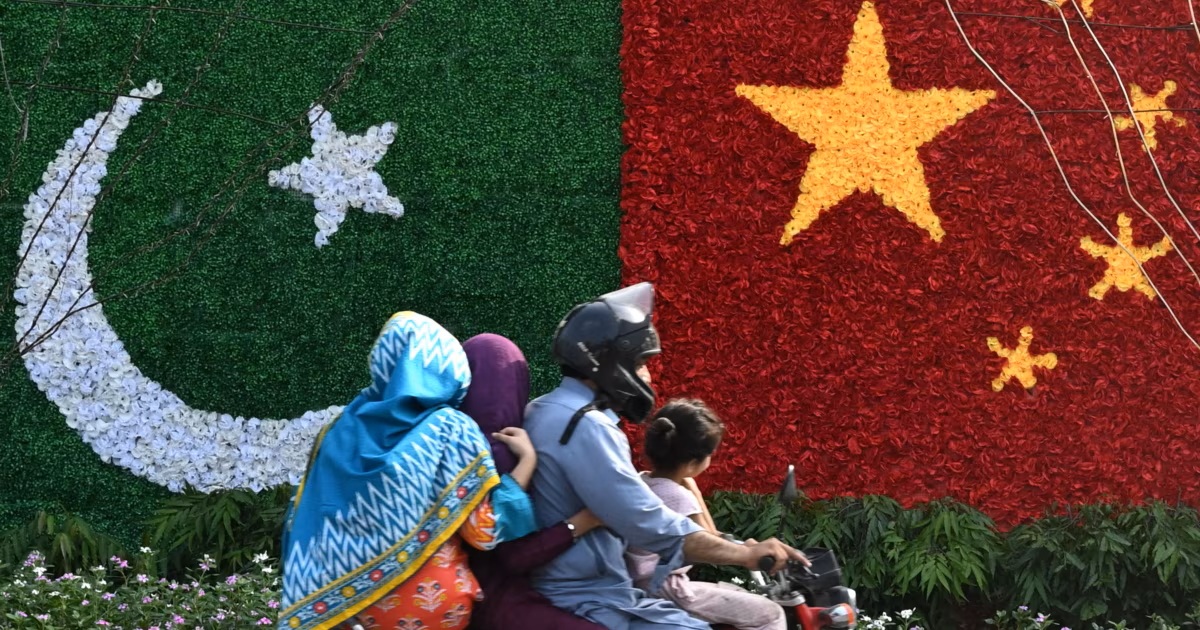

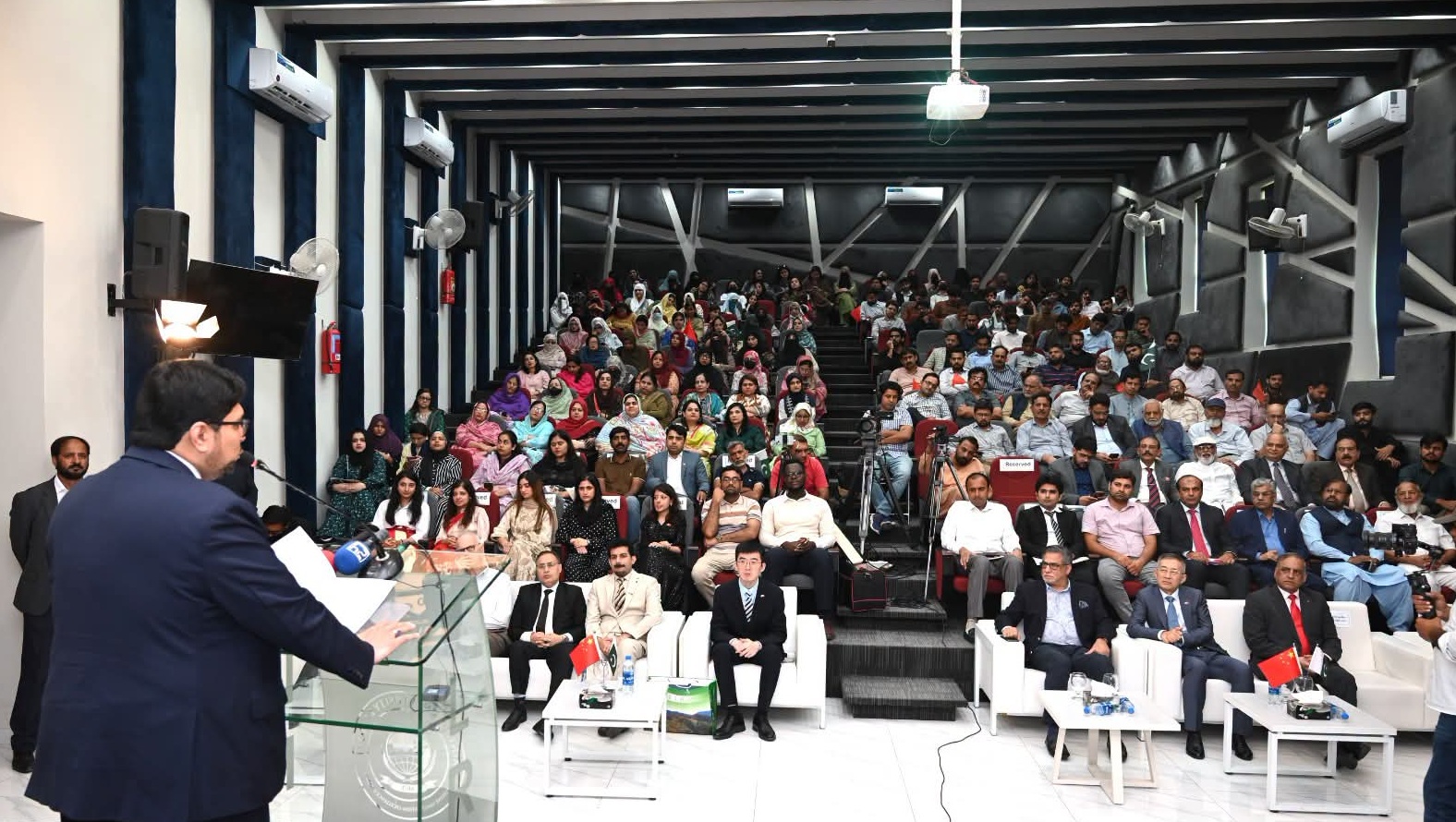
Minhaj University – a non-profit higher education institution in Lahore – established Confucius Institute at its main campus in collaboration with the much-praised Confucius Institute of the Faisalabad-based University of Agriculture Faisalabad (CI-UAF). The Confucius Institute is a non-profit global educational organization backed by China’s Ministry of Education to teach the Chinese language and share Chinese culture.
The ribbon-cutting ceremony brought together Minhaj University’s Board of Governors Deputy Chairman Dr Hussain Mohi-ud-Din Qadri, China’s Consul General Sun Yan, Minhaj University Vice Chancellor Dr Sajid Mehmood Shahzad, Registrar Dr Khurram Shahzad, Confucius Institute Director Dr Naeem Akram, and Confucius Institute (CI-UAF) Dean Dr Saddam Hussain besides senior university and Chinese officials, academics and distinguished guests. Inauguration of the institute at the Minhaj University is an effort to bring communities closer through language, culture, education and intellectual exchange.
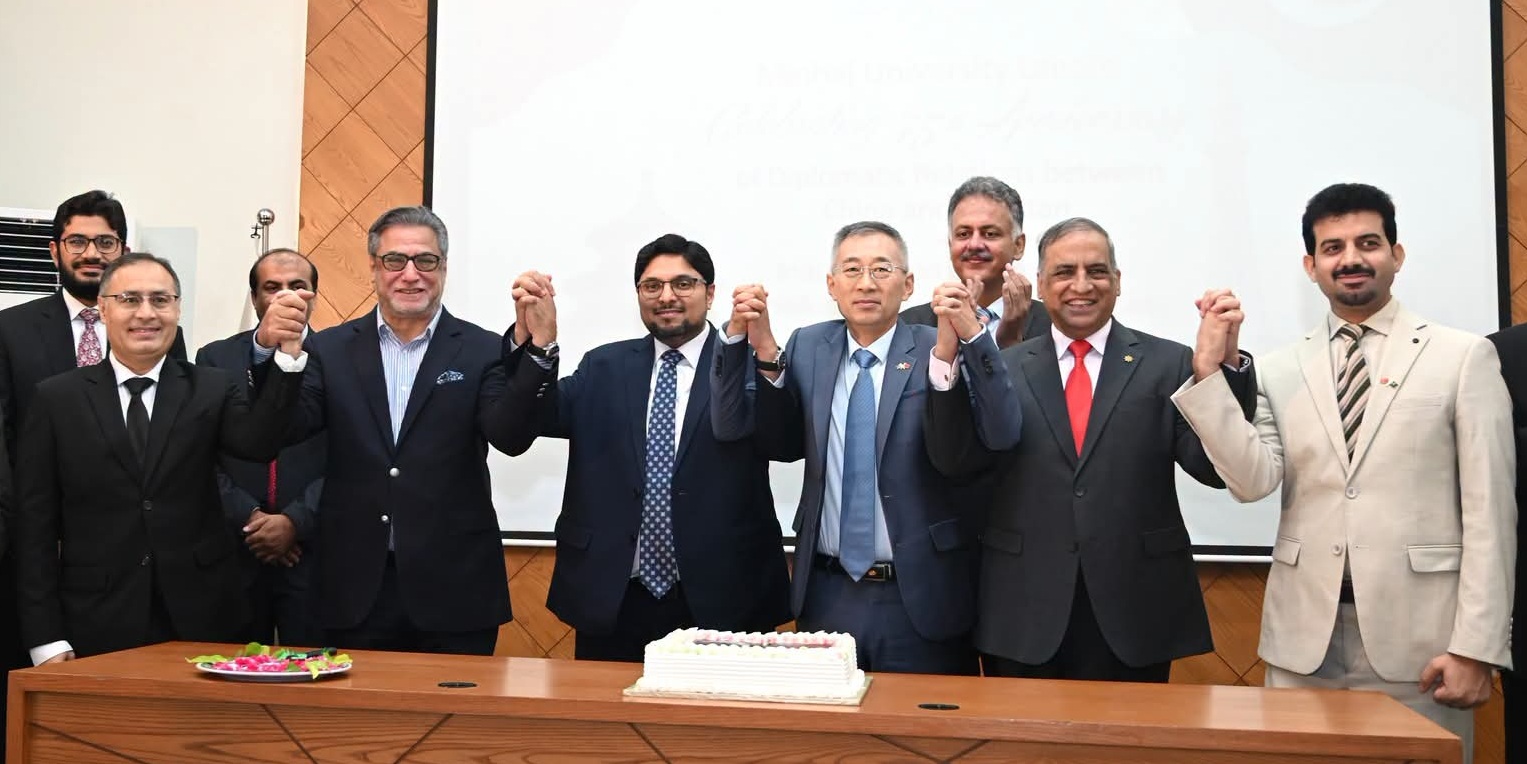
Speaking at the ceremony, Dr Hussain Mohi-ud-Din Qadri placed the initiative within the wider story of Pakistan-China friendship, and highlighted consistency, mutual respect and patience as important qualities that have helped sustain the relationship across generations on both the sides. He said that the governments establish diplomatic frameworks and economic partnerships, but universities have an equally important responsibility to create connections between people and societies. For him, the Confucius Center represents an opportunity to expand Chinese-language education, faculty and student exchanges, joint research, academic conferences, cultural programs and professional development.
He expressed the vision that the center should grow beyond Minhaj University and become a broader platform for Pakistan-China academic and cultural engagement, serving Lahore’s wider educational and professional community. Most importantly, he stressed the role of young people in carrying the relationship forward. He said that the future of Pakistan-China friendship will depend not only on official relations but also on the willingness of the next generation to learn, interact and understand one another. As per experts, there is perhaps no better way to understand another culture than to learn its language.
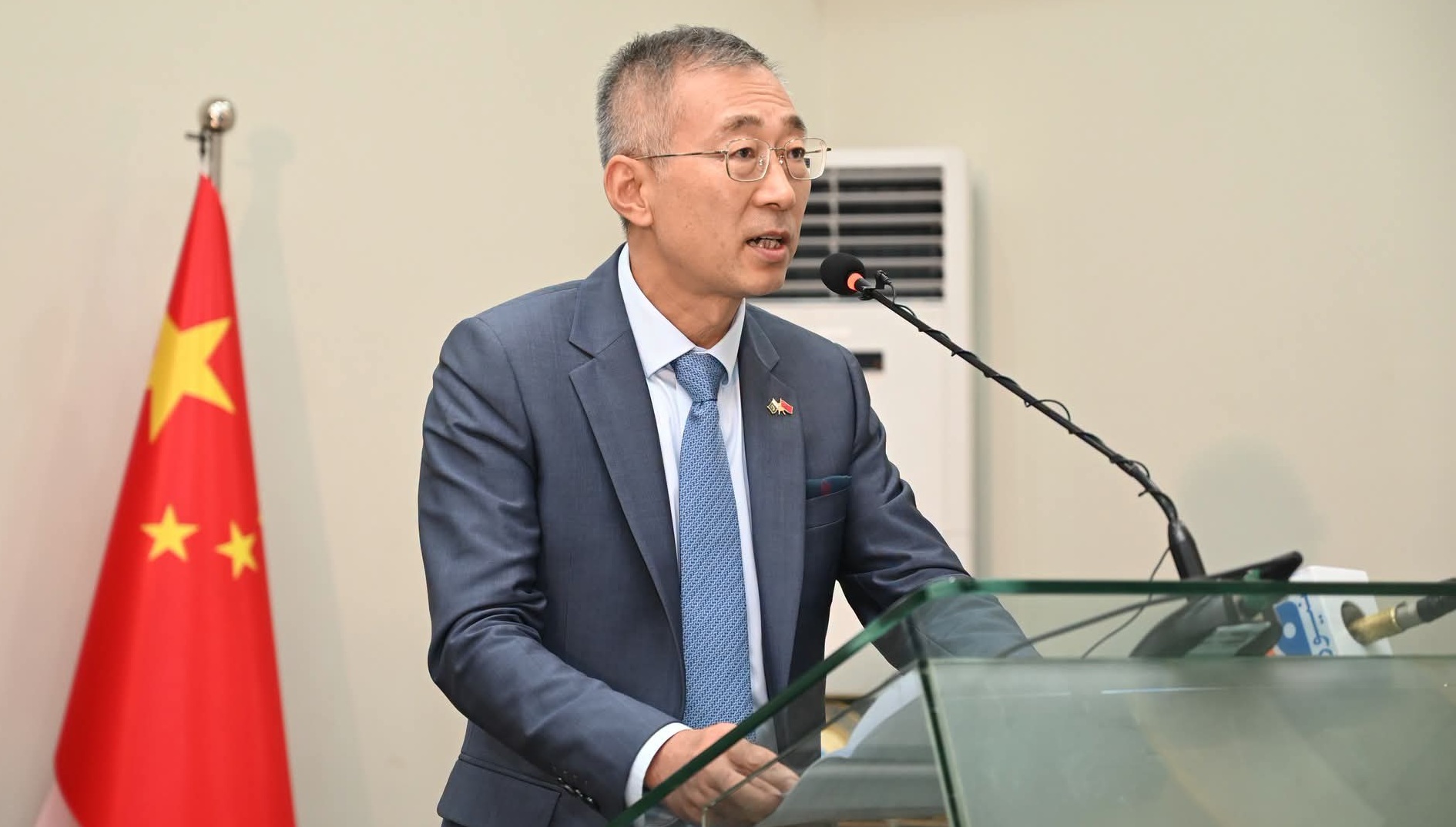
During the ceremony, Consul General Sun Yan highlighted importance of the multi-billion-dollar China-Pakistan Economic Corridor (CPEC), and Beijing’s willingness to work with Islamabad to advance the next phase of cooperation, particularly in agriculture, industry and mining. The young population needs education that connects classroom learning with emerging economic realities. The language education, international exposure and cross-cultural understanding can give students additional tools to participate in a changing job market. The student learning Chinese today could become diplomat, engineer, researcher, entrepreneur, agricultural expert, translator or business professional.
For Pakistani students, learning Chinese can therefore be both a cultural experience and a practical investment in their future, as China opens a window into a civilization with thousands of years of history, literature, philosophy, art and traditions. The Confucius Institute is expected to provide opportunities for Chinese-language learning alongside cultural and academic activities. The students can use these opportunities to gain a deeper understanding of Chinese society while developing a skill that may prove valuable in their professional lives. But the cultural exchange should never be a one-way journey.
Pakistan is a cradle of ancient human history, and holds roots going back over 9,000 years, featuring major prehistoric and urban societies that shaped early South Asia. This is a country of remarkable cultural diversity, with traditions and languages, including Punjabi, Sindhi, Pashto, Balochi, Seraiki, Hindko, and many others. China, likewise, has a rich and diverse cultural landscape shaped by numerous communities, regions, traditions and historical experiences. When these cultures meet in an academic environment, differences become opportunities for learning rather than barriers to communication.
China’s growing engagement with Pakistan has expanded the need for people who understand both the countries, their languages, cultures and professional environments. This creates potential opportunities in business, education, technology, agriculture, engineering, research, tourism, translation and international relations. A student who learns Chinese at university may eventually use that knowledge in a completely different setting — perhaps working with a Chinese company, pursuing higher education in China, participating in an exchange program, contributing to research or building a business relationship between the two countries.
Dr Sajid Mehmood Shahzad presented a broader vision for the institute, describing it as more than a language-learning facility — a potential bridge between cultures and a platform for knowledge, research, innovation and human interaction. A particularly important academic contribution came from Dr Saddam Hussain, who was among the key members involved in establishing and facilitating the initiative. He called educational and cultural cooperation an essential pillar of the Pakistan-China relationship. In his view, the academic institutions can play a practical role in turning the goodwill between the two countries into meaningful opportunities for teachers, researchers and students.
The link between the University of Agriculture and the Minhaj University demonstrates how academic institutions can work together to expand language education and create wider avenues for cultural and scholarly engagement. Dr Saddam Hussain’s contribution reflects a broader reality: the future of bilateral relations will not be shaped only by diplomats and policymakers. Teachers, researchers, university administrators and students will increasingly become a bridge between the two countries. At the same time, Dr Naeem Akram highlighted importance of language learning and cultural cooperation in strengthening people-to-people ties.
Another significant development associated with the initiative is the launch of the official website of the Confucius Institute at the Minhaj University. In an increasingly digital world, such a platform can help students and academics access information about language programs, cultural activities, academic initiatives and future collaborations. The ceremony also included the exchange of commemorative souvenirs between university leadership and the Chinese consul general. In Lahore, the Punjab University has already Confucius Institute at its Quaid-e-Azam Campus.