

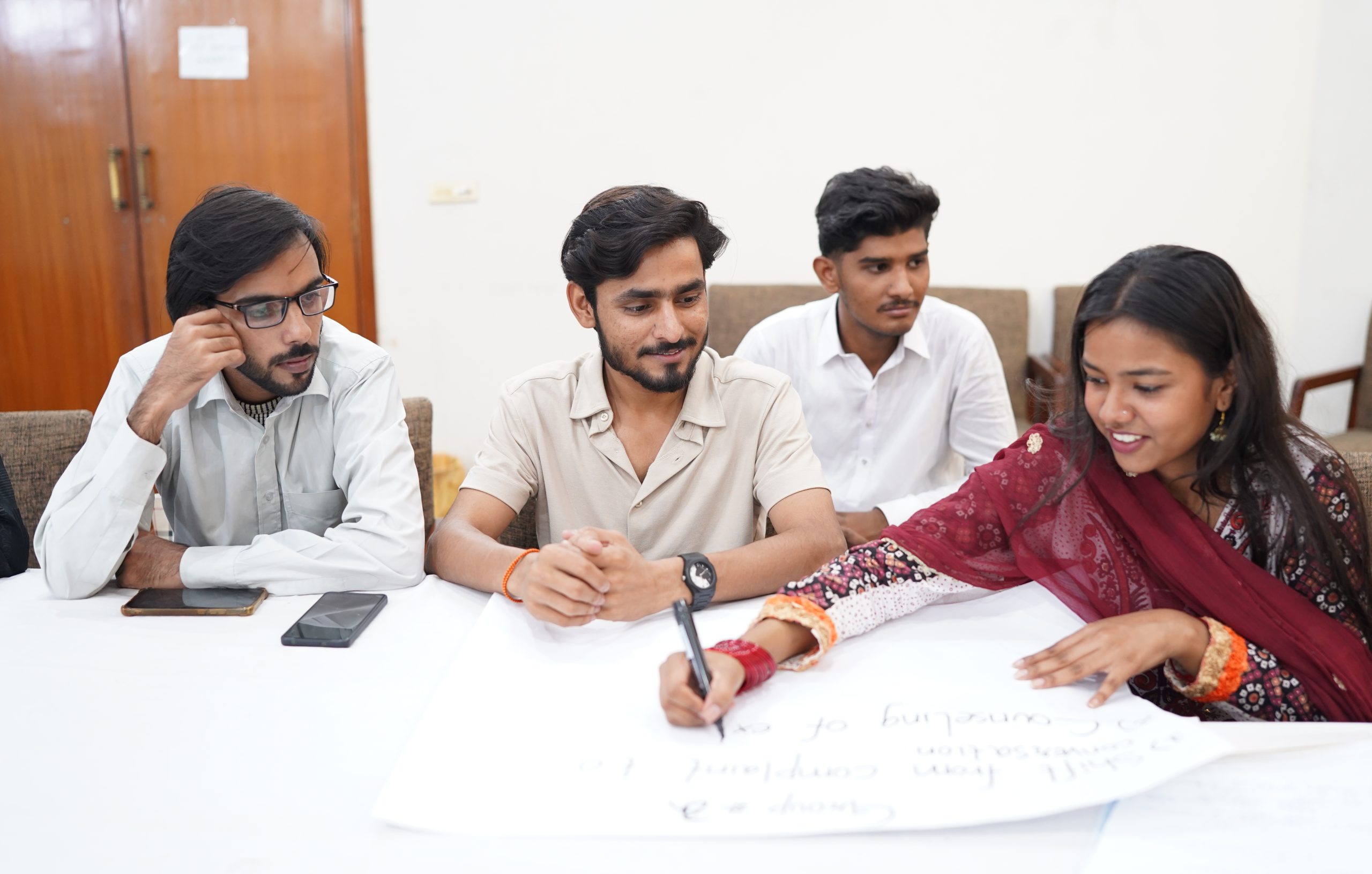
A three-day training workshop, organized in Lahore by the Kawish Resource Center in collaboration with the German Embassy, concluded while focusing on strengthening social cohesion, and interfaith harmony through inclusive community engagement to improve young people, and students, educational institutions, and community representatives in areas of peace-building, interfaith harmony, tolerance and acceptance, coexistence, and social cohesion.
Shahzad Bashir, project coordinator of the Barnabas Aid Pakistan; and Muhsen Ali Turk, a journalist and founder of the Risala Today newspaper, joined the young participants as trainers. During the training session, the participants tried to understand the concept of peace-building, and social cohesion and coexistence besides identifying factors that contribute to conflict and division, as well as recognizing importance of tolerance, acceptance and inclusion.
The trainers shared with the participants to understand interfaith harmony, appreciate religious and cultural diversity, explore misconceptions and stereotypes, and promote respect for different beliefs. During activities, the participants wrote factors promoting peace on leaves and factors causing conflict on roots. Also, they identified community strengths, tensions, and opportunities for cooperation. They identified common values across faith traditions, and shared personal experiences of cooperation or discrimination.

The participants tried to understand causes of conflicts, and practice dialogue and communication skills, besides learning peaceful problem-solving techniques. The trainers shared with the audience to understand basic human rights concepts, explore religious freedom and equality, recognize discrimination and exclusion, and must promote dignity and justice. Countering hate speech, and extremism, they informed the young people to understand hate speech and misinformation, identify harmful narratives, learn positive communication approaches and promote responsible use of social media.
The participants reviewed sample of online posts and identified harmful as well as positive messaging during the social media analysis. They recognized role of young people in peace-building, leadership qualities, developing confidence and communication skills, and learning volunteerism and community engagement. They also told to understand influence of educational and religious institutions, and identify opportunities for collaboration. The participants understand inclusive participation, and explored barriers faced by women and marginalized groups.
In another session, the trainers informed the young audience about responsible media engagement, and how to develop awareness campaigns, and promoting positive narratives. They told to develop practical community initiatives, promote collaboration among communities, and design local activities for sustainable peace. The students and young people from Muslim, Christian, Hindu and Sikh communities shared their opinions and experiences during the three-day training workshop. They also enjoyed interaction and networking with each others during and after the sessions as well as during tea and lunch breaks.

“I am happy to state that I have to develop a respect for opinions and beliefs of my colleagues during the three-day workshop,” said Vinood Kumar, a university student from Sindh province. He said that he really enjoyed equal opportunity to speak and share his knowledge and information. “I will say here that we have to focus on learning due to constructive dialogue,” he said, adding that they will also share the message that everyone must respect diversity and cultural differences while avoiding discriminatory or hateful language against anyone.
Samra Tariq, youth advocate and social worker, said that peace and harmony start when people choose to understanding over judgment. “In a society like ours, where people speak different languages, follow different beliefs, and live with different traditions, harmony means respecting those differences instead of fearing them,” she said, adding that it’s in the small things: listening before reacting, helping a neighbor without asking their background, and teaching kids and youngsters that disagreement doesn’t have to mean disrespect. “Our communities become stronger when we protect each other’s dignity,” she said.

Abdullah Mahboob, a university student, suggested young fellows to become a responsible citizen while keeping streets, parks, and neighborhoods clean as a social responsibility because public spaces belong to everyone. “It’s about speaking up for what’s right, and helping someone in need without waiting to be asked,” he said, adding that he believes that a responsible citizen listens before judging, respects different opinions, and uses social media carefully so words don’t spread hate. “When each of us does our small part with honesty and care, our society becomes safer, fairer, and stronger for the next generation,” he said.
Joshua Sohail, a university student, suggested peaceful coexistence even when beliefs, languages, or backgrounds were different. “I believe that a strong society isn’t built by making everyone the same, but by letting everyone belong,” he said. In daily life, he said that it looks like listening without interrupting, and solving issues with words instead of anger. “When neighbors share more than just walls, and when we protect each other’s dignity, communities grow safer and happier,” he said, adding peaceful coexistence wasn’t the absence of differences, but it’s the presence of respect despite some differences.
INTERFAITH DIALOGUE

Besides Kawish Resource Center (KRC) Executive Director Asif Sardar; Himayat-i-Islam Dar-ul-Shafqat (HIDS) Secretary Syed Tayyab Hussain Rizvi; Bishop Nadeem Kamran; Pandit Bhagat Lal of Balmiki community; Sikh community leader Sardar Jatinder Singh; and trainers Shahzad Bashir, project coordinator of the Barnabas Aid Pakistan; and Muhsen Ali Turk, a journalist and founder of the Risala Today newspaper, also joined an interfaith dialogue, organized at the Bishop Inayat Masih Hall of the National Council of Churches after the three-day training workshop.
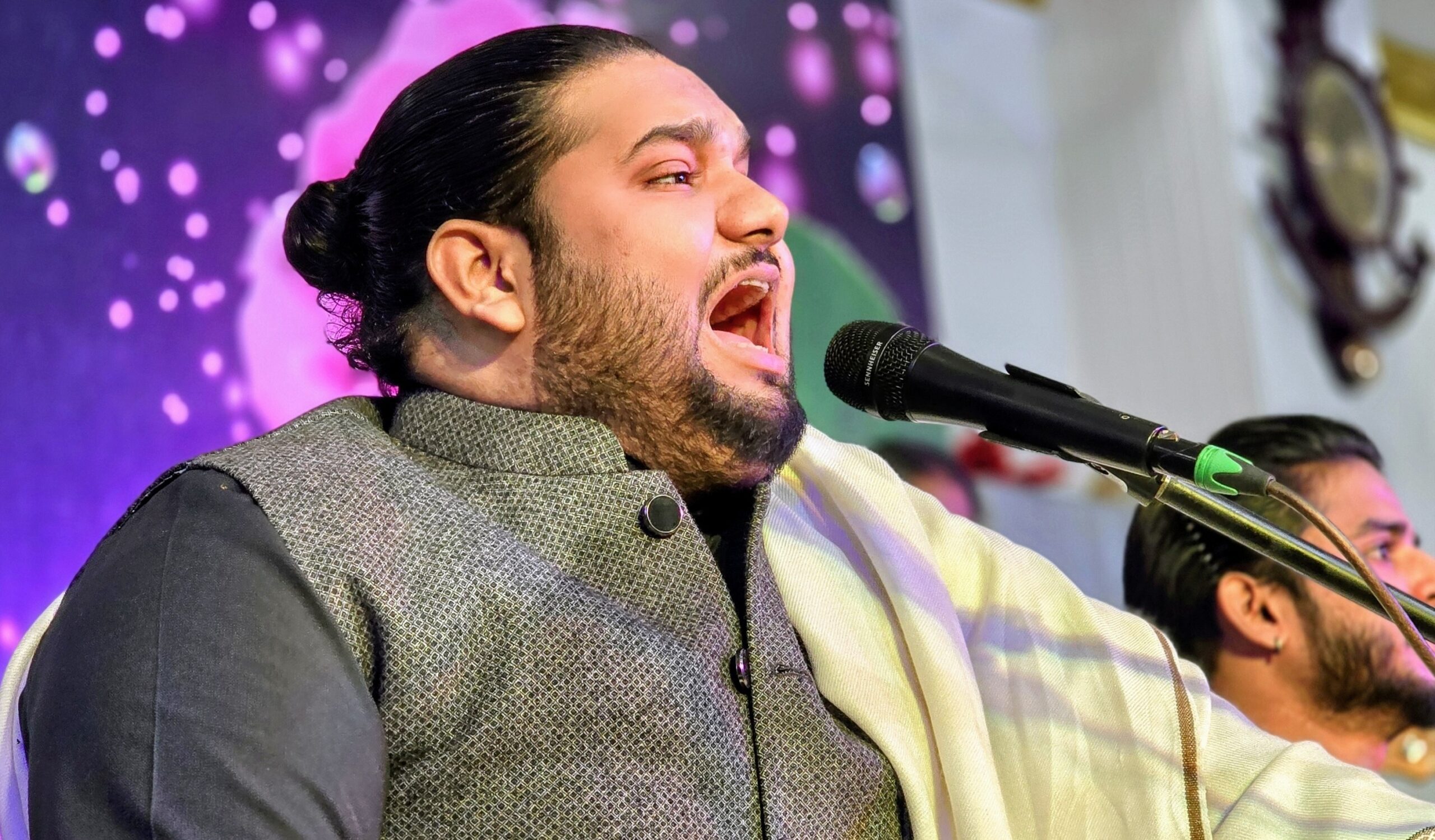
Addressing the dialogue, KRC Executive Director Asif Sardar said that interfaith dialogue in any society was necessary to dismantle prejudices, prevent ‘religiously-masked’ conflicts, and foster social cohesion. “By building empathy and understanding, interfaith dialogue allows diverse communities to collaborate on shared human values like peace and justice without compromising their own distinct religious convictions,” he told the audience. He also shared history of the Kawish Resource Center, founded in 2005 by the late Chaudhry Tariq Masih – a key figure of Lahore’s Christian community.
Bishop Nadeem Kamran guided followers of various religions and faiths towards a peaceful life by emphasizing spiritual surrender, and prayers. He asked followers of the faiths to embrace peaceful coexistence and actively uplift their communities. “We must remember that our core teachings focus on overcoming differences, offering practical help to those in need, and establishing a culture of mutual respect and compassion,” he said. He urged the diverse audience to weigh down loads of their peers through acts of service, such as helping those in financial distress, and ensuring basic necessities were met.
Addressing the audience, Syed Tayyab Hussain Rizvi shared the history of the Anjuman Himayat-i-Islam – the oldest nongovernmental organization established in 1884. Since its inception, he said that the Anjuman has taken responsibility of providing education at affordable fee, free for deserving students and orphans without any discrimination of color, caste and gender. “Our vision is very clear to equip our teenagers and youngsters with quality education and make them understand the social, ideological and moral responsibilities of the Muslim Ummah,” he said. “We believe that education is a fundamental right that should be accessible to all,” he said.
Pandit Bhagat Lal and Sardar Jatinder Singh also shared their opinions about the interfaith dialogue, and asked the young audience to share the message of peace and peaceful coexistence with their communities. They said that Pakistan needs more support from its young generation as the country has one of the youngest populations in the world, with over 64 percent of its people under the age of 30 and a median age of just 19. Shahzad Bashir, and Muhsen Ali Turk also shared their points of view about the training workshop and their achievements in sharing the right message with the right people.