

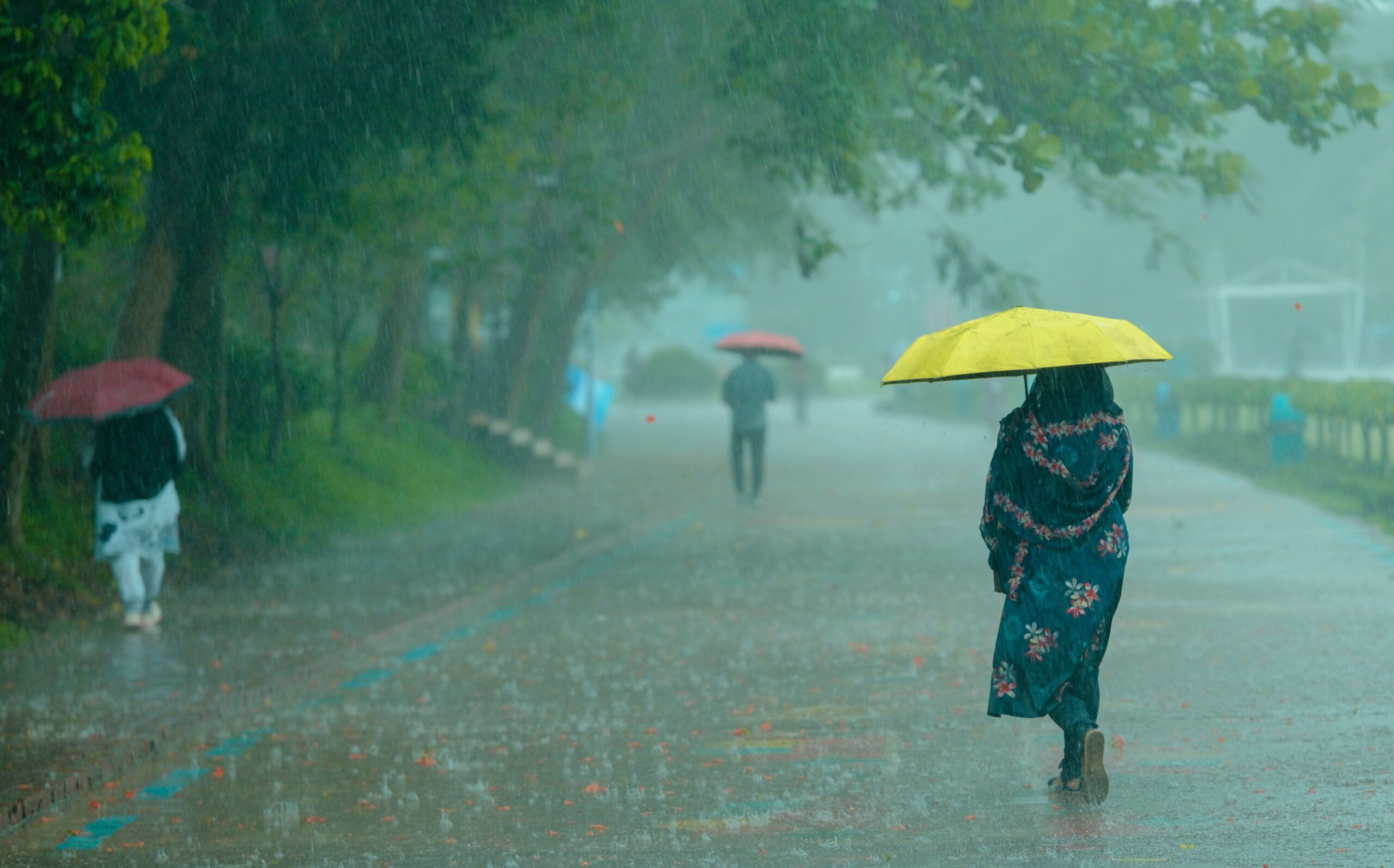
The arrival of the monsoon season brings much-needed rainfall, but it also marks a significant rise in waterborne diseases in Punjab, and some other parts of Pakistan. Every year, hospitals witness a ‘sharp increase’ in cases of diarrhea, cholera, typhoid, and other infections caused by contaminated water and poor sanitation. Young children are especially vulnerable to these illnesses and are at the greatest risk of developing life-threatening complications.
According to the Punjab Health Department, more than 500,000 children are admitted to hospitals each year during the monsoon season because of diarrhea alone. Cases of cholera also increase by three to four times, with the highest burden reported in major cities such as Lahore, Faisalabad, Multan, and Gujranwala. As pediatricians, the doctors frequently see children arriving at the hospital in a critical condition. Many suffer from severe dehydration, low blood pressure, and profound weakness – conditions that can rapidly become fatal if treatment is delayed.
All these tragic situations are often preventable through simple yet effective measures taken at home. The old saying, “prevention is better than cure,” is particularly relevant during the monsoon season. All parents and caregivers play a vital role in protecting children from waterborne diseases by following a few essential precautions. The first and most important step is to ensure that children drink only boiled or properly filtered water. Water from unsafe or stagnant sources should never be used for drinking or preparing food.
Equally important is proper hand hygiene. Washing hands with soap and clean water for at least 20 seconds before eating, before preparing food, and after using the toilet significantly reduces the spread of infectious diseases. Food safety is another critical aspect of prevention. Children should avoid uncovered street food, pre-cut fruits sold in the open, soft drinks from unreliable sources, and beverages prepared with contaminated ice.
Instead, they should be served freshly-prepared, hygienically-cooked, and properly covered meals at home. Food and drinking water should always be kept covered to protect them from flies, which are common carriers of cholera and diarrheal pathogens. Maintaining a clean environment around the home is equally important. Stagnant water should not be allowed to accumulate, as it creates ideal breeding grounds for mosquitoes and harmful microorganisms. Families should also ensure proper disposal of household waste and maintain good sanitation practices.
For infants, continued breastfeeding remains one of the most effective ways to protect against infections. Breast milk provides essential nutrients, antibodies, and hydration that help reduce the risk and severity of diarrheal illnesses. Despite taking precautions, children may still develop diarrhea. If this occurs, parents should remain calm and begin giving oral rehydration solution (ORS) immediately in small, frequent sips to prevent dehydration. Light, easily digestible foods should be continued whenever possible, and medical advice should be sought promptly.
The parents should never wait until the child becomes severely dehydrated before seeking emergency care, as early intervention can prevent serious complications and save lives. The monsoon season need not become a season of illness. Through safe drinking water, good hygiene, proper food handling, continued breastfeeding, and early treatment, countless cases of severe diarrhea and cholera can be prevented. A few simple preventive measures today can protect our children from life-threatening disease.