



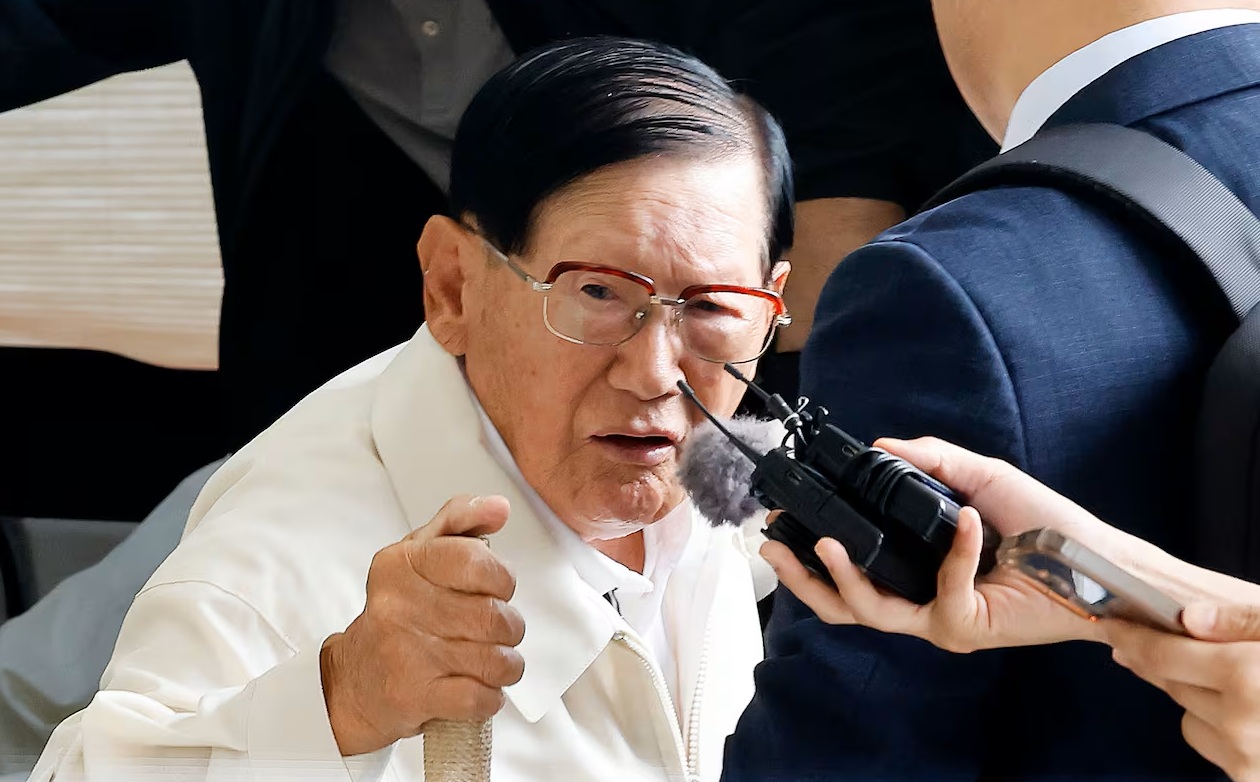
The arrest and trial of Lee Min-hee, the 95-year-old chairman of the Shincheonji Church of Jesus in South Korea, has sparked a new debate on religious freedom and human rights at the international level. Founded in 1984, the Shincheonji Church of Jesus is a religious movement with a belief that its founder is the ‘promised pastor’ and that salvation requires believing in the church’s interpretation of biblical revelation.
Lee Min-hee was detained on June 24, 2026, on charges of alleged violation of the Political Parties Act, while he was formally indicted on June 30. According to the prosecution, between July 2021 and January 2024, thousands of church members were encouraged to join a political party or tried to influence the political process through systematic registration. On the other hand, the Shincheonji Church of Jesus has rejected all allegations and has taken the position that Chairman Lee Min-hee and the church fully cooperated at every stage of the investigation and that no member was forced to join a political party.
Italian expert Dr Massimo Introgine, a researcher in sociology and religious freedom, expressed serious concerns over Chairman Lee Min-hee’s arrest, saying that detaining a 95-year-old religious leader in a case that does not involve violence or serious crimes may be contrary to UN human rights standards and the Mandela Rules. He criticized South Korean Minister for Justice Jeong Seung-ho’s statement on the day of the indictment that ‘severe criminal punishment was inevitable’ and quoted a Bible verse at the end of his post.
According to the expert, such statements raise questions about judicial impartiality and state religious neutrality. The experts say that the main point of the trial will be whether church members were forced to join a political party or did so of their own free will. The prosecution is claiming evidence of coercion, while the church is completely rejecting this allegation. In religious freedom circles, the case is not just a legal dispute but this case was a major test of South Korea’s democratic credibility and demands the world’s attention, said Dr Massimo Introgine.
The group’s founder and leader is variously referred to by church followers as the chairman; the promised pastor; the one who overcomes; or the advocate. Adherents believe the chairman has the unique ability to interpret the book of revelation. The group also believes in the times of fulfillment of ‘new testament’ prophecies, the most pious 144,000 adherents of the church will enjoy salvation and eternal life as promised in the revelation. Shincheonji is organized into 24 administrative departments, centered around the chairman. There are also seven educational directors responsible for education, and twelve tribe leaders.