



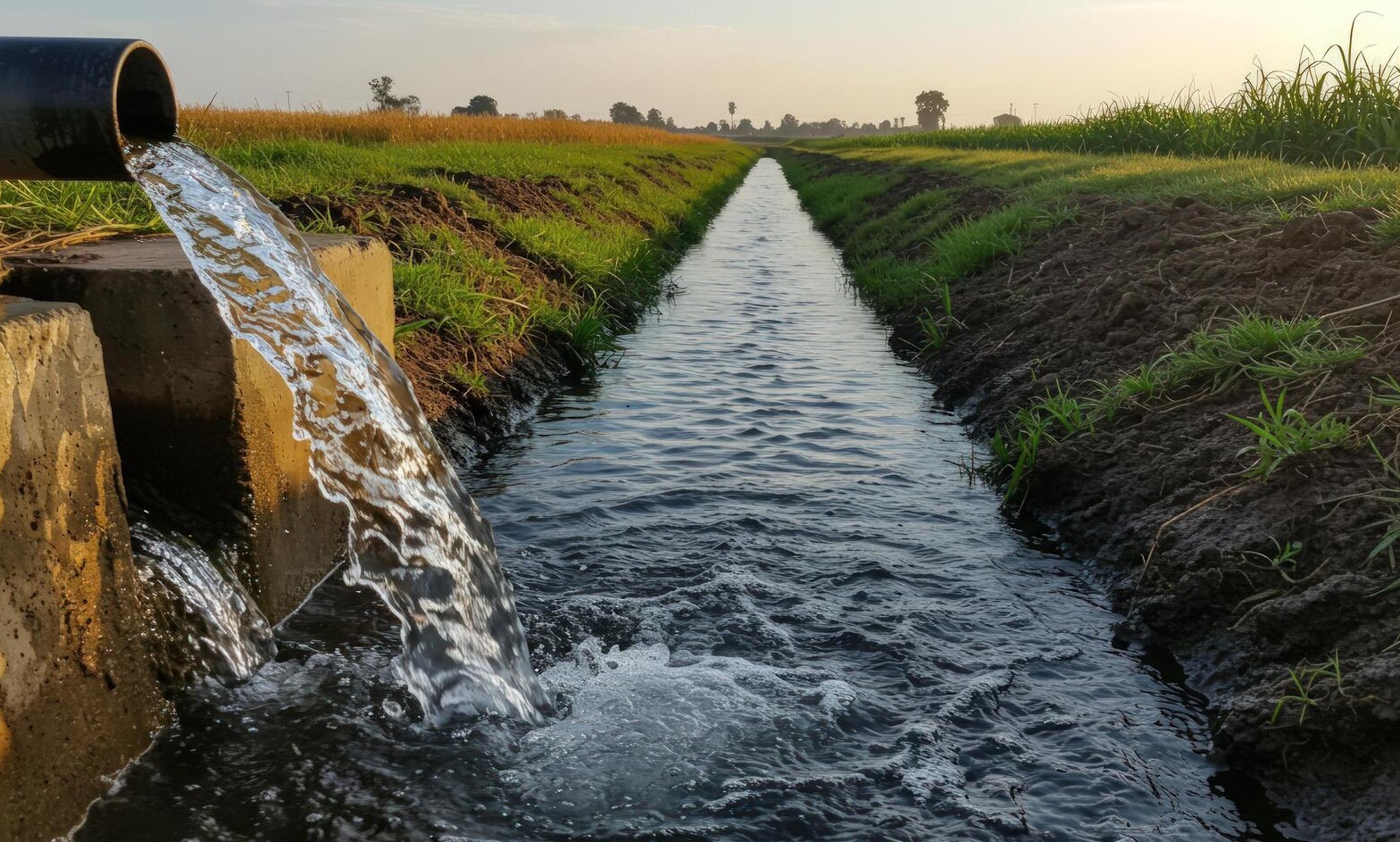
Water Stewardship Program, a key initiative of the Unilever Pakistan in partnership with the World Wide Fund for Nature (WWF-Pakistan), is addressing shared water challenges through practical and measurable interventions in Punjab. Designed to strengthen long-term water security for communities and businesses, the initiative focuses on addressing challenges through collaborative, catchment-level action.
Both Unilever Pakistan and WWF-Pakistan engaged journalists through an ovaltable discussion at the Avari Hotel in Lahore on the country’s growing water security challenges and discuss interventions aimed at replenishing and protecting vital water resources. With declining groundwater levels, increasing demand, and mounting climate pressures, experts stressed that sustainable water management must become a national priority to safeguard livelihoods, food security, economic productivity, and environmental resilience.
The session brought together media representatives, sustainability practitioners, and water experts for an in-depth discussion on the state of Pakistan’s water resources, the economic and social implications of water scarcity, and the role of collective action in safeguarding the country’s future. “Water stewardship is only meaningful when it goes beyond the fence line,” said Sohail Ali Naqvi, Director for Freshwater Program at the WWF-Pakistan. “We are working to replenish and protect water resources that communities, agriculture, and nature rely on using science-based interventions and measurable outcomes,” he said.
“This is the kind of long-term, collective action that Pakistan’s water crisis demands, and we are encouraged to see the private sector stepping up as a partner in that effort,” Sohail Ali Naqvi said. Ramlah Tariq, Sustainability and Corporate Affairs Manager at the Unilever Pakistan called water as one of Pakistan’s most critical shared resources, and addressing its depletion requires collective action from all stakeholders. “Through our partnership with WWF, we are investing in interventions that contribute to groundwater replenishment, improved water management, and long-term resilience,” she said.

“While the scale of the challenge is significant, we believe that meaningful progress begins with sustained, and unified action,” Ramlah Tariq said. The participants were informed that Pakistan officially crossed the United Nations’ water scarcity threshold in 2010 and has remained water-scarce ever since. The Water Stewardship Program forms part of Unilever Pakistan’s broader sustainability agenda focused on protecting natural resources and building resilient communities.
In recent years, the company has expanded its environmental initiatives through programs focused on plastic circularity, waste reduction, climate action, livelihoods, and responsible resource management. Working alongside partners from the government, civil society, and the private sector, Unilever Pakistan continues to support practical and scale-able solutions that contribute towards a more sustainable and resilient future for Pakistan. Through its sustainability agenda, the company works across climate, nature, livelihoods, plastics, and water stewardship to create long-term value for communities and the environment.