
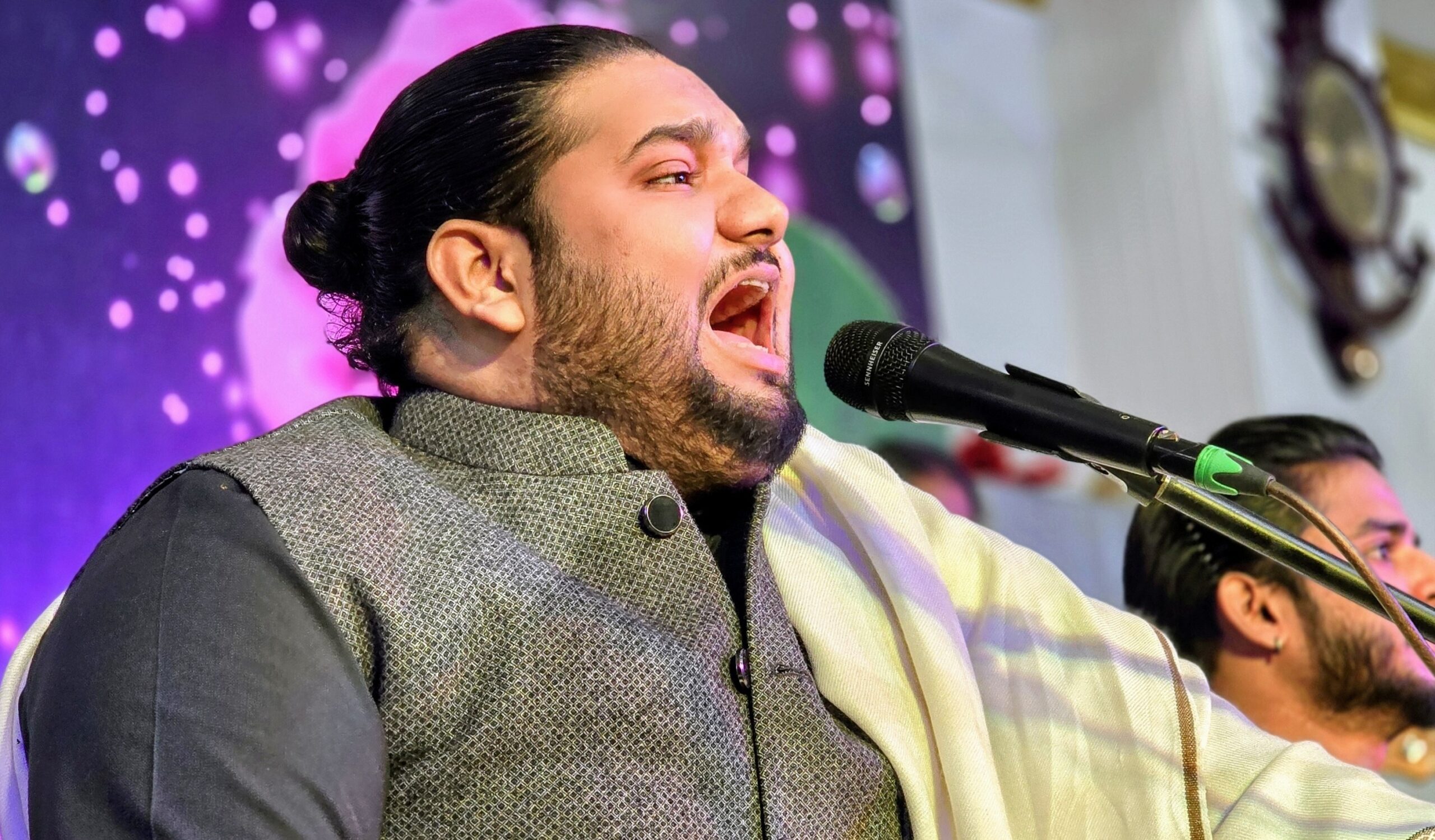
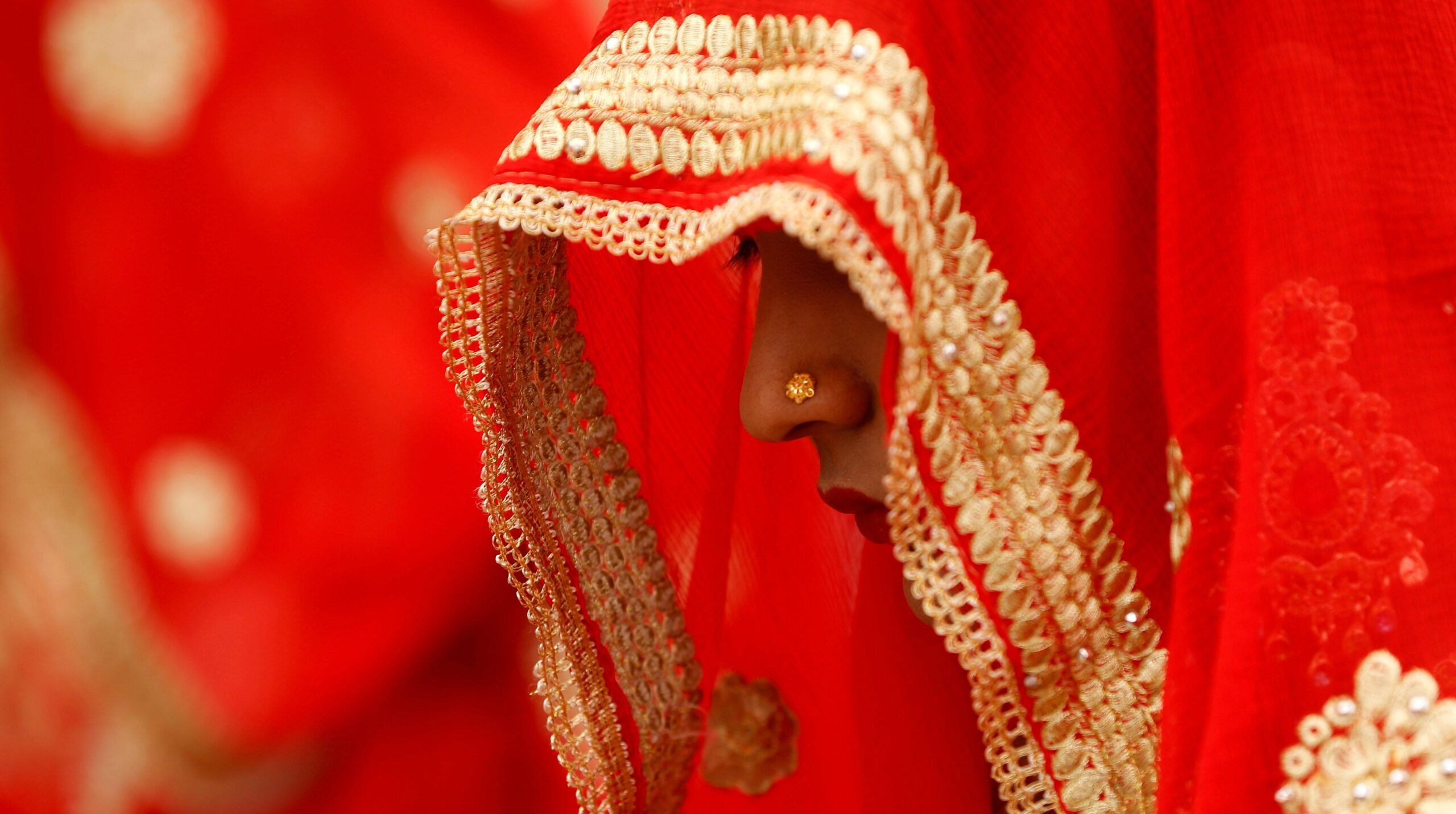


In collaboration with the Human Friends Organization (HFO) and the Christians’ True Spirit (CTS), the Rwadari Tehreek Pakistan has organized a joint session at the Nisar Usmani Auditorium of the Lahore Press Club in Lahore to record their protest against a recent decision of the Federal Constitutional Court (FCC) to upheld validity of a marriage between a Muslim man and a Christian girl, while rejecting a petition filed by her father for her recovery.
On the occasion, speakers demanded suspension of the court’s verdict in the Maria case, considering it as a ‘potential threat’ and an ‘alarming implication’ for underage girls, especially those belonging to minorities. Despite existing laws, such as the Child Marriage Restraint Act in Sindh, Balochistan, and the Islamabad Capital Territory, and an Ordinance in Punjab, they pointed out numbers of child marriages and forced conversions, sparking outrage among rights groups.

Rwadari Tehreek Chairman Samson Salamat, Institute for Peace and Secular Studies Chairperson Saeeda Diep, Joint Action Committee for People’s Rights Convenor Irfan Mufti, renowned writer Jami Chandio, Christians’ True Spirit Executive Director Katherine Sapna, Church of Pakistan Spokesperson Emmanuel Khokhar, Presbyterian Church representative Amjad Niamat, NCCP Executive Secretary Obaid Khokhar, Pakistan People’s Party leader Imran Rafiq, and other stakeholders also joined the session.
Addressing the session, Samson Salamat said that the recent court decision compromises efforts to shield minors from premature unions that harm their overall well-being. He highlighted what he called ‘inconsistencies’ in the laws. He warned that the verdict disproportionately affects minority girls, who face ‘forced conversions’ and ‘child marriages’ and was likely to encourage perpetrators to exploit vulnerable girls, erasing their identities and pushing more into the forced conversions.
In his address, he called for legal safeguards, including criminalization of forced conversions, effective enforcement of the Child Marriage Restraint legislation, and increased awareness at all level – the law enforcement apparatus, lawyers and the judiciary. Rwadari Tehreek members Vikram Manzoor, Dr Neelam Gill, Dr Adoo Ram, Malaika Khan, Nazia Jamali, Sumera Zia, Iqbal Martial, Ashikanaz Khokhar and Nosheen Khalid also addressed the session.

It is pertinent to mention here that the dispute highlighted after the petitioner lodged an FIR under sections 363/365-B of the Pakistan Penal Code. During the investigation, the girl recorded a statement before a magistrate under Section 164 of the CrPC, asserting she had married the Muslim man of her own free will and had not been abducted. The father filed a petition under Section 491 CrPC before an additional sessions judge.
The petition was dismissed on October 9, 2025, with the court taking into account the woman’s statements before the magistrate and a Justice of Peace. A writ petition challenging that order was also dismissed by the Lahore High Court on October 17, 2025, after which the father approached the the Federal Constitutional Court. The court rejected the petitioner’s argument that a Christian woman cannot marry a Muslim man.
Relying on Islamic law and earlier court precedents, the court observed that a Muslim male may lawfully marry a Christian woman. In Islam, no specific rituals were required for a non-Muslim to be regarded as having embraced the faith. What is required is a declaration and recitation of the Kalima, with belief in the Oneness of Almighty Allah, Finality of the Prophethood of Holy Prophet Muhammad (peace be upon him), and the Holy Qur’an, as well as belief in earlier prophets, divine scriptures, and the Day of Judgement.