


Pakistan recently announced a $1.5 billion defense deal with Sudan – a Northeastern African country – and ready to supply advanced weapons like drones, jets, and air defense systems to its armed forces. The deal highlighted the country’s arms export determinations but it may spark an unending debate on the issue due to a conflict between the Sudan’s government forces and the Rapid Support Forces (RSF). It might be considered as a diplomatic success, but policymakers suggested peaceful alternatives like bilateral deals in agriculture and other soft areas between Islamabad and Khartoum.
It is pertinent to mention here that the relationship between Pakistan and Sudan dates back to 1956, rooted in post-colonial solidarity and Muslim brotherhood. Sudan supported Pakistan in 1965 and 1971 wars against India; while Pakistan reciprocated with training to Sudan’s armed forces during the Darfur crisis, as per diplomatic records. Mirroring alliances through the 57-member Organization of Islamic Cooperation (OIC), the two nations share histories besides the government-to-government relations. The recent deal echoes an arms sale to a Southeast Asian nation, risking ‘reputation’ over gains. That’s why we are suggesting that the nations must think and rethink before signing any deal while taking their own nation into confidence.
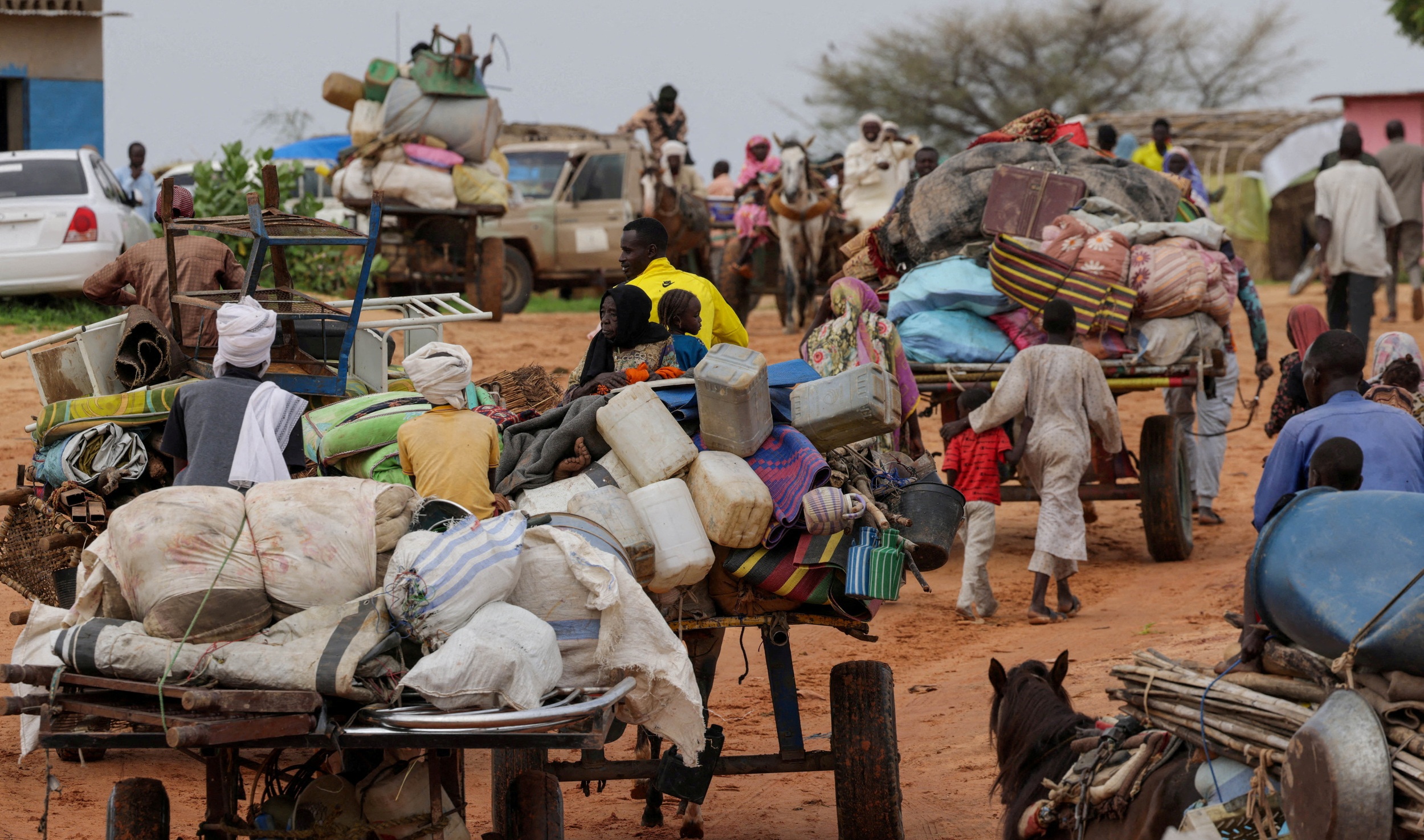
The conflict, which began in April 2023, continues to devastate Sudan, causing mass displacement, severe food insecurity, and widespread human suffering, with the United Nations highlighting the ongoing humanitarian catastrophe. The UN bulletins show that over 150,000 people were killed, 12 million were displaced due to the war since 2023, besides causing famine. Comparable to genocide in Rwanda or proxy strife in Middle East, it features atrocities like village burnings and other kinds of violence, with the US labeling the Darfur a genocide as per the US State Department and non-governmental organizations. It is observed that bombings prolong suffering, and any deal in this regard will add damage, akin to Wagner’s role in Libya, hindering talks for peace.
According to the various media reports, Sudan will receive 10 K-8 jets, 220 unmanned aerial vehicles like Shahpar-2, armored vehicles, and Chinese HQ-9 systems. Likely funded by other ‘friendly’ countries, it rivals Turkey’s Ethiopia drones, shifting battles, but inviting accusations. For Pakistan, the ‘deal’ may boost exports like those to Nigeria, yet it may face a scrutiny, echoing Israel’s African backlash. With 2.5-3% FY2025 growth, inflation, and $130 billion debt, the South Asian nation sees the ‘deal’ as a reserve boost, as per the World Bank, and the Asian development Bank. But the arms trade exposes risk amid corruption and dominance, as per the International Monetary Fund (IMF).
ECHOES ACROSS THE DESERT
Bolstering the government forces to prolong the war, it may worsen woes about refugees, famine, and Red Sea disruptions, as per the Integrated Food Security. Paralleling arms to Ethiopia, the deal fuels African competition, ignoring humanitarian needs. In the country, the violations include executions and bombings, as per the Amnesty International, Human Rights Watch, and the United Nations. Arming the forces may amplify abuses, risking complicity, as per the Responsibility to Protect (RtP) frameworks. It is a request that the opposition and human rights defenders in the country must challenge agreements like this, as it defies human rights pledges of the South Asian nation.
It can be observed that challenges include Sudan’s insolvency, logistics, and embargoes, such as those faced by Myanmar. Ethically burdensome, it hampers reforms. Instead, revive the Gezira Scheme – a massive British-built irrigation project in Sudan, crucial for the country’s economy and food security through its cultivation of cotton, sorghum, wheat, and other crops on nearly a million hectares. The policymakers must know that any accord in this regard risks entrenching conflict; as precedents show arms folly in fragile states. The opposition and the rights defenders should support agrarian ties with Sudan for lasting prosperity over battlefield wins.